10 Shocking and Dangerous Fashion Trends That Shaped History!
FashionHistory #BizarreTrends #DangerousFashion #HistoricalFashion #WeirdFashion #FashionFails #VintageFashion …
source
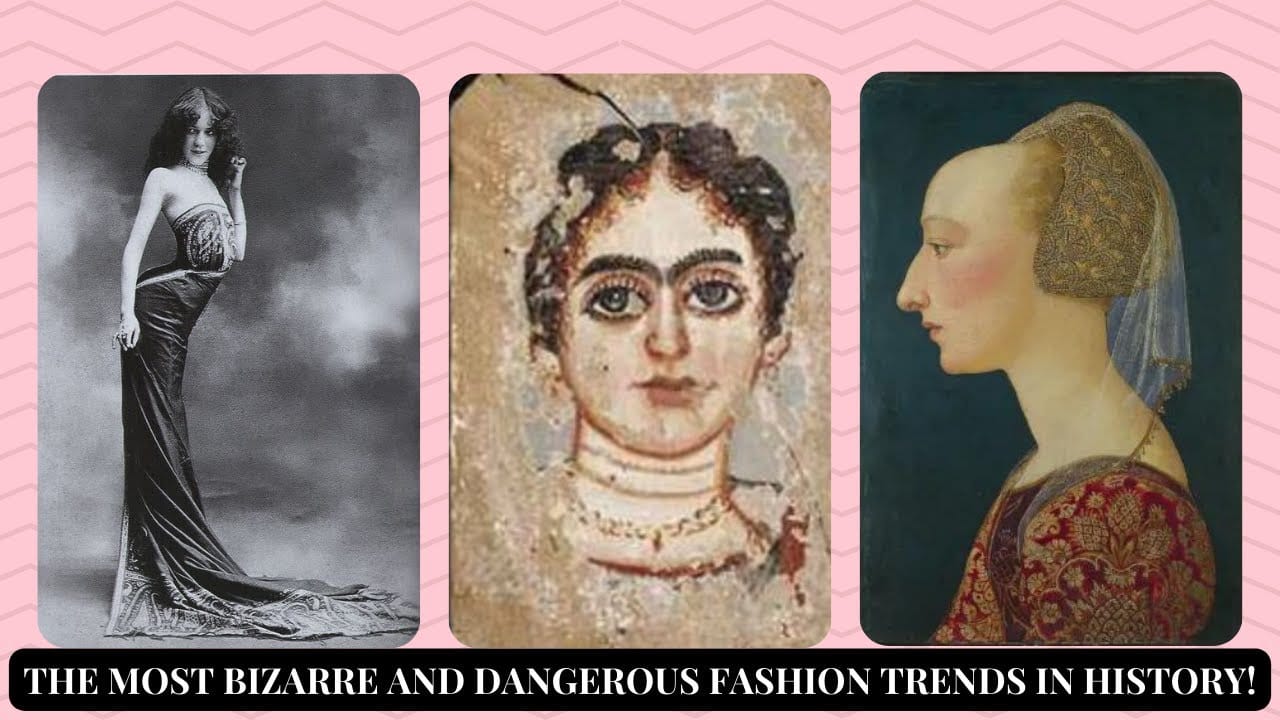
The Most Bizarre and Dangerous Fashion Trends in History!
Fashion has always been a way to express individuality, culture, and societal values. However, throughout history, some trends have pushed the boundaries of common sense, beauty, and even safety. From impractical footwear to hazardous materials, let’s explore the most bizarre and dangerous fashion trends that have shocked and awed over the centuries.
1. The Corset Craze
One of the most infamous fashion trends of the Victorian era, corsets were designed to create an hourglass figure. Women would lace themselves into these tight garments, sometimes to the point of restricting breathing and causing organ displacement. The trend was so extreme that it led to fainting spells, broken ribs, and even death. Despite modern awareness of health and body positivity, corsets have seen a slight resurgence, prompting discussions around body liberation versus shaping.
2. Foot Binding
In ancient China, the practice of foot binding started as early as the 10th century and continued into the 20th century. Young girls’ feet were tightly bound to prevent growth, resulting in a manageable three-inch “lotus” foot that was considered beautiful. This torturous practice often resulted in severe pain, deformity, and difficulty walking. By the early 1900s, foot binding was banned, but its legacy remains a stark reminder of society’s obsession with beauty standards.
3. Dangerous Hair Extensions
In the 18th century, the French elite popularized extravagant hairstyles, famously worn by Marie Antoinette. Some of these towering wigs were adorned with hazardous materials such as feathers, fabric, and even small items like birdcages and ships. Styling often involved flammable materials and excessive use of hair powder made from toxic substances like arsenic. The risky maintenance of such styles often led to tragic accidents involving fires or scalp infections.
4. The Use of Poisonous Makeup
During the Elizabethan and Victorian periods, women used various lead-infused powders to achieve a pale complexion, as this was considered the epitome of beauty. Lead, a poisonous metal, caused serious health issues, including skin diseases and even death. The pursuit of beauty often overshadowed the risks, leading to a long history of women suffering in silence due to toxic beauty standards.
5. Heavy Crinolines and Bustles
Cascading skirts and crinolines in the 19th century symbolized wealth and femininity. However, these voluminous garments often became dangerously cumbersome. Women frequently tripped, caught fire, or found themselves unable to navigate narrow doors and spaces. Some accidents led to severe injuries or death, especially given that these skirts could easily sweep up nearby flames from candle-lit rooms.
6. Extreme Plastic Surgery Trends
Recent decades have seen a surge in extreme body modifications in the name of beauty. From silicone injections to those who have gone to great lengths for the perfect body (think “Brazilian butt lift”), these surgical trends can lead to serious health risks, including infections, blood clots, and even death. The desire to conform to societal beauty standards often encourages unsafe practices, leaving individuals grappling with the consequences.
7. The Mini Skirt Controversy
Emerging in the 1960s as a symbol of liberation, the mini skirt undeniably changed the fashion landscape. However, its introduction was met with significant backlash. Many women were put in danger as they faced harassment and violence as a result of wearing these ‘daring’ outfits. While the mini skirt celebrated women’s rights to wear what they choose, it also highlighted the dangers of public perception and conduct.
8. The Use of Whalebone in Fashion
Popular in both corsetry and various garments, whalebone was used for its rigidity and shape. However, this practice contributed to the decline of whale populations during the 19th century and highlighted the detrimental impact of fashion on the environment. The use of fur, bone, and other animal products reminds us how far fashion trends have come in terms of ethics — and how they can pose dangers beyond individual wearers.
Conclusion
Fashion is an ever-evolving domain that often reflects the complexities of culture and society. While many trends are harmless or even empowering, it’s vital to recognize the historical movements that have put lives at risk for the sake of appearance. Learning from the past allows us to appreciate the diversity of modern fashion while advocating for safer, more inclusive styles that celebrate all bodies without jeopardizing health or wellbeing.
Fashion may be fleeting, but the lessons from these bizarre and dangerous trends are timeless. Let’s embrace creativity and expression without compromising safety and comfort!













Post Comment