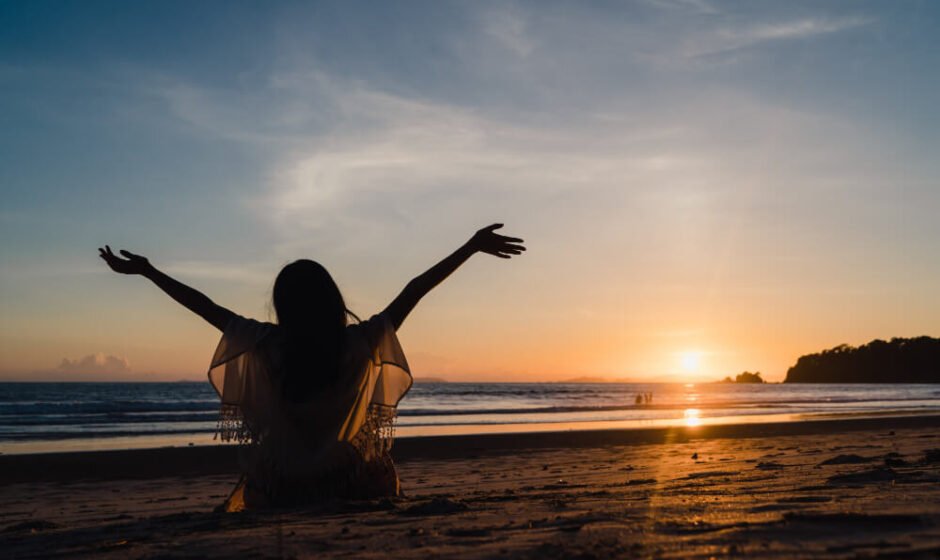

Nearly every culture and religious tradition throughout human history has developed some form of daily blessing — a ritual phrase, prayer, or practice meant to invoke goodness, protection, or gratitude at the start or close of a day. This near-universal pattern suggests something deep about human nature: we are creatures who long to mark our days with meaning, to punctuate the passage of time with acknowledgment of something larger than our immediate circumstances.
In Jewish tradition, the recitation of blessings — brachot — accompanies countless daily moments, from waking up to eating bread to seeing a rainbow. The rabbis taught that a person should say at least one hundred blessings a day, transforming ordinary actions into moments of sacred awareness. This practice reflects a worldview in which nothing is truly mundane; every act, properly noticed, can become an occasion for recognizing the sacred within the ordinary.
In Christian traditions, morning and evening prayers often include blessings — asking for guidance, protection, and gratitude for the gift of another day. The Lord’s Prayer itself, one of the most recited prayers in human history, begins by orienting the speaker toward reverence before moving into requests for provision and forgiveness. This structure — gratitude and reverence before petition — appears across many faith traditions, suggesting a shared spiritual instinct.
In Buddhist practice, morning intentions and loving-kindness meditations (metta) serve a similar function, though framed differently. Practitioners often begin the day by silently wishing wellbeing not just for themselves, but for loved ones, difficult people in their lives, and eventually all beings. This isn’t quite the same as a “blessing” in the theistic sense, but it carries the same essential energy: an intentional orientation toward goodness at the start of the day, extended outward to others.
Indigenous traditions across the world often include blessings tied closely to nature and community — acknowledging the land, the ancestors, the elements, and the interconnected web of life before undertaking daily activities. These practices remind us that blessings need not be confined to formal religious language; they can be an expression of relationship with the natural world and a recognition of our place within something larger than ourselves.
Even secular and non-religious people often develop their own versions of these practices, whether through mindfulness meditation, gratitude journaling, or simply pausing to appreciate a sunrise before starting the day. The forms differ, but the underlying human impulse remains remarkably consistent: we seem to need moments of intentional pause, moments to acknowledge that our lives are gifts, moments to orient ourselves toward hope before facing whatever the day holds.
What can we take from this cross-cultural pattern? Perhaps it’s permission to build our own blessing practice without worrying too much about getting the “right” words or following a specific tradition perfectly. The common thread across all these practices isn’t the specific language used, but the intention behind it: pausing, noticing, expressing gratitude, and orienting toward goodness. Whether you draw from a specific faith tradition, blend elements from several, or create something entirely your own, the daily practice of blessing — however you choose to express it — connects you to one of the oldest and most universal human longings: the desire to meet each day with open eyes and a grateful heart.